


Taste is Priceless
- Olebogeng Itumeleng

- Apr 5, 2024
- 4 min read
Updated: Apr 9, 2024
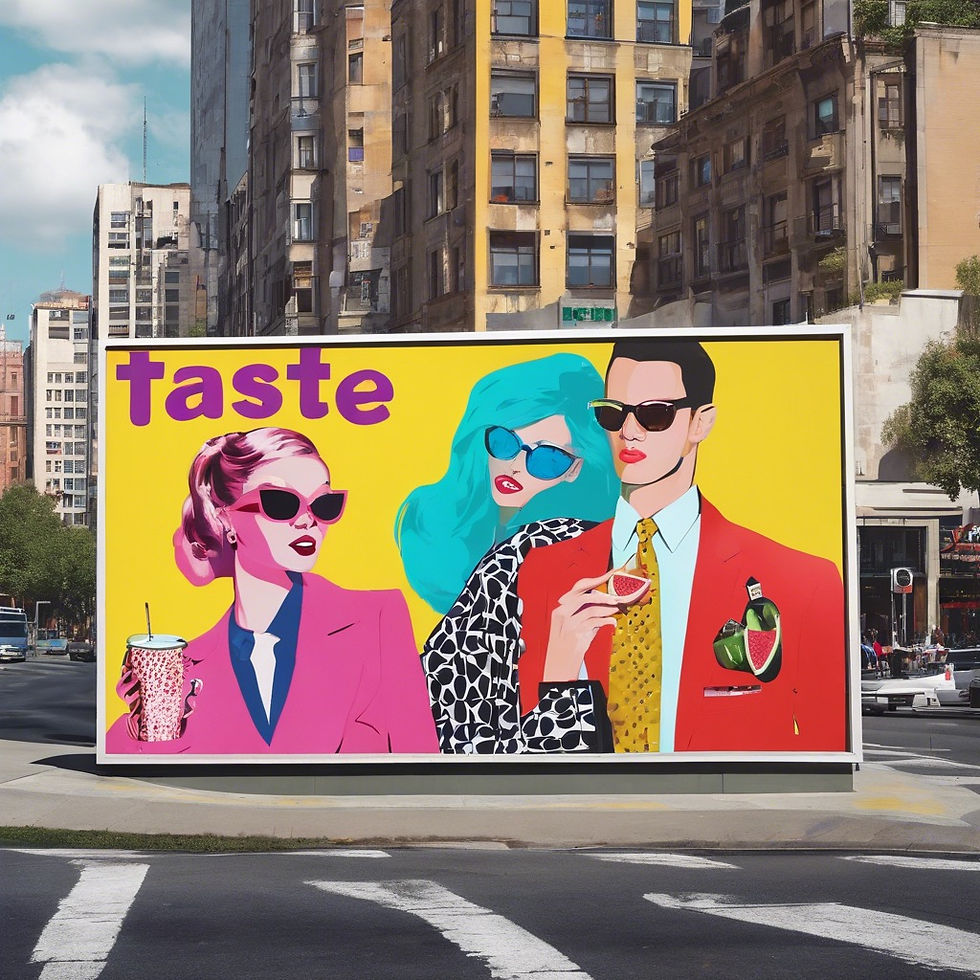
You can buy clothes but you can't buy taste. Taste can neither be taught or bought, it is relative to individuals because some have it and some don't. People with taste are very particular when it comes to choosing and mixing together the right products, they have an inclination and preferences built from previous experiences, allowing them access to information about the details and aesthetics that surround certain brands and products. Taste is not some superhuman ability afforded to celebrities and influencers, it is a by-product of various forms of inspiration and motivation from previously established works and individuals, combined with your own unique way of seeing the world and a natural instinct. Anyone can have taste, but not everyone has good taste, ultimately, the choices you make will represent your taste levels.
We can't all be the same, we have the power to constantly reinvent ourselves, especially if you don’t want to go out looking like the rest of the crowd. It is not based on being indifferent or some desperate need to separate yourself from everyone else, it is more of an awareness about current and emerging trends, also taking note of how saturated a brand or certain style is in particular environments. A slight shift away from saturated brands and styles already sets you apart from the masses, but your taste levels rise to a level of superiority when you begin to recognize and have access to ideas related to new brands and styles.
The role of culture and lifestyle influences

Culture and lifestyle are major drivers of influence around the world, and it is through this vehicle that many products, services, ideas and taste levels are sold. Your immediate environment, the communities you engage with and the lifestyle you lead ultimately plays a role in developing your taste levels, whether you are conscious about it or not. Culture and lifestyle can also be heavily influenced by history and the prominent trends and figures that ruled the world before our time, and this is more evident in fashion, especially when emerging trends borrow from the 1960s or late nineteenth-century fashion. In modern times, the main drivers of culture and lifestyle refer to the sports and entertainment industries, whereby global public figures embody the latest styles, and often the hottest brands at the moment.
Tastemakers

These public figures are considered tastemakers and they are not limited to sports and entertainment stars but could also include celebrities, community leaders and any other well-known persons in their respective fields of profession. These kinds of people usually have amassed an audience that looks up to and is inspired or influenced by the prominent individual because of their level of success throughout the years.
Figures like Christiano Ronaldo and Kanye West resemble the idea of tastemakers and they are responsible for making a lot of brands very popular in modern times. Their audiences will almost unmindfully follow, imitate or emulate whatever the tastemaker does, and that refers to wearing the same clothes, shoes, and adopting a particular lifestyle.
The tastemakers are heavily rewarded for bridging gaps between brands and their intended audiences, these public figures make most (if not some) of all their income from being a vessel that brands can use to reach out to the masses.
Celebrities

The forefront of popular culture have been responsible for driving the taste levels and lifestyles of societies. From Audrey Hepburn associating her stardom and ideal female character with the Tiffany diamond company, to Ye turning Yeezy into a multi-billion brand, celebrities will forever be cemented in the journey of many of these clothing brands that are revered today. Celebrities often assume a lavish lifestyle, preferring particular products and services that are in-line with their ideal lives, these lifestyle choices then transcend into trends and new norms for people that seek to exist in a similar fashion.
Product Adoption: Innovators, Early adopters, Early majority, Late majority and Laggards

Innovation adoption is a marketing term referring to how fast a product/brand may progress from inception/creation to global/mass appeal. It focuses on how and when certain groups of people adopt the use of brands and products, and the nature of this progression throughout the different stages of encounters with consumers. Innovators and early adopters are among the first group of people to come across and actually use the product. They’re mostly tastemakers, celebrities and citizens with an affluent economic standing, living in a first world country like the USA or Switzerland and have access to information and the latest global current affairs. They are the ones who have first hand experiences with products like the iPhone, 5G internet speeds or Balenciaga's latest shoe collection, and then everyone else follows suit as the products become more accessible and affordable to the general public.
Having access to the latest products and information because of a decent economic background does not constitute “having taste”, it is purely a monetary advantage over most civilians who are 2nd and 3rd class citizens. Having taste, resembles a unique blend of styles and influences, morphing it in a way that is distinct, appealing and suitable for the individual. Look at the world through your own lens, figure out what works for you and what doesn't, you will often find the world a revealing source of inspiration, information and ultimately your own taste!


Comments